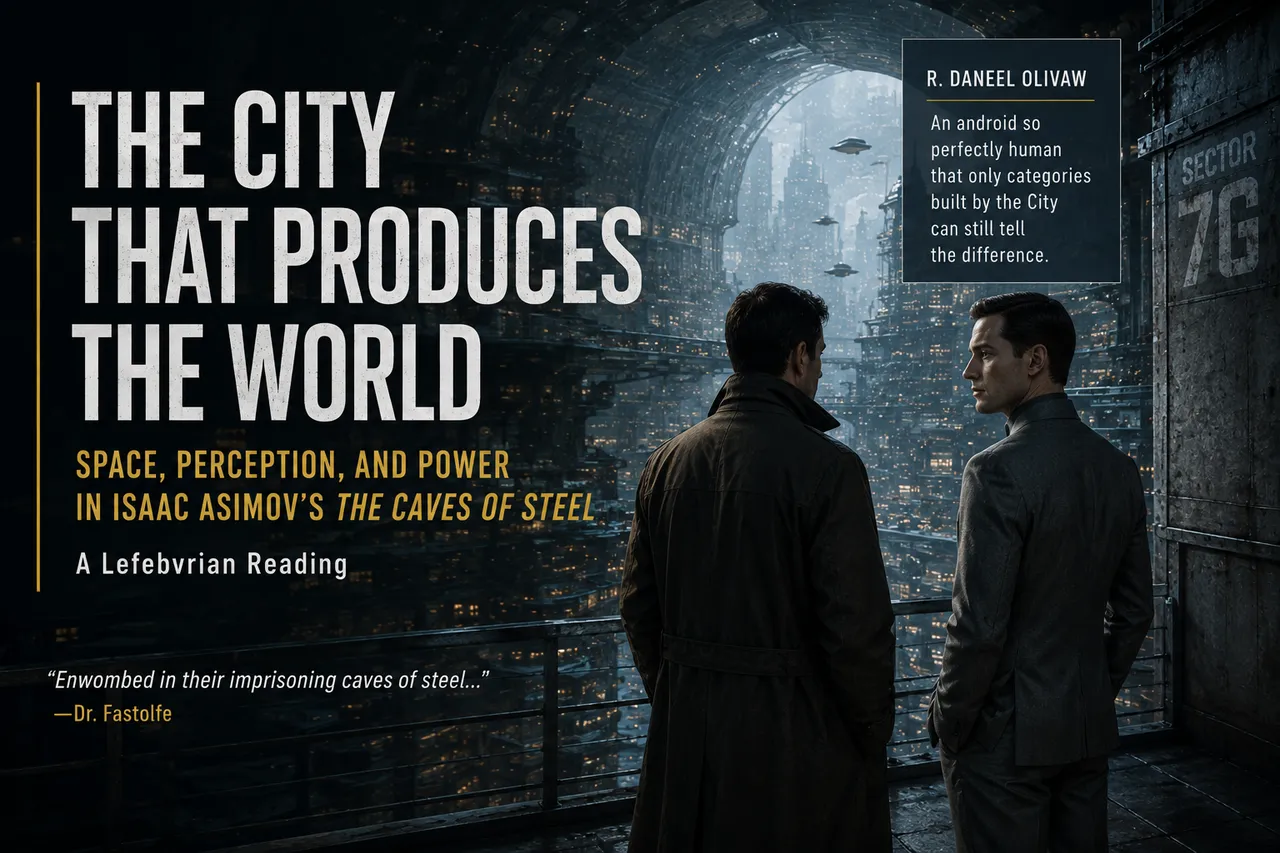
The Caves of Steel
Isaac Asimov::1954
An analysis of Isaac Asimov's The Caves of Steel on urbanization, social space, robots, and how the City shapes perception and historical possibility.
[sci-fi]
> read The Caves of Steel by Isaac Asimov
//ZONE
A collection of passages into sci-fi literature
Science fiction is a passage to distant stars and alternate realities. It asks profound questions about consciousness, technology, and what it means to be human when expanded beyond our world. These are the grand vistas and intimate speculations of futures both possible and impossible.
//FRAMEWORK
This archive maps science fiction as a laboratory of social and philosophical stress-tests rather than a prediction market. The focus falls on thresholds: human and post-human identity, political organization under pressure, and technological systems that transform ethics before they transform tools. Reviews prioritize structural tensions over plot mechanics, asking how each novel models agency, survival, and collective imagination. Across classics and contemporary works, this hub follows recurring questions: what futures become thinkable, which futures are excluded, and what kinds of subjectivity emerge when the category of the human is renegotiated.
//RSS FEED
>subscribe to Sci Fi feedIsaac Asimov::1954
An analysis of Isaac Asimov's The Caves of Steel on urbanization, social space, robots, and how the City shapes perception and historical possibility.
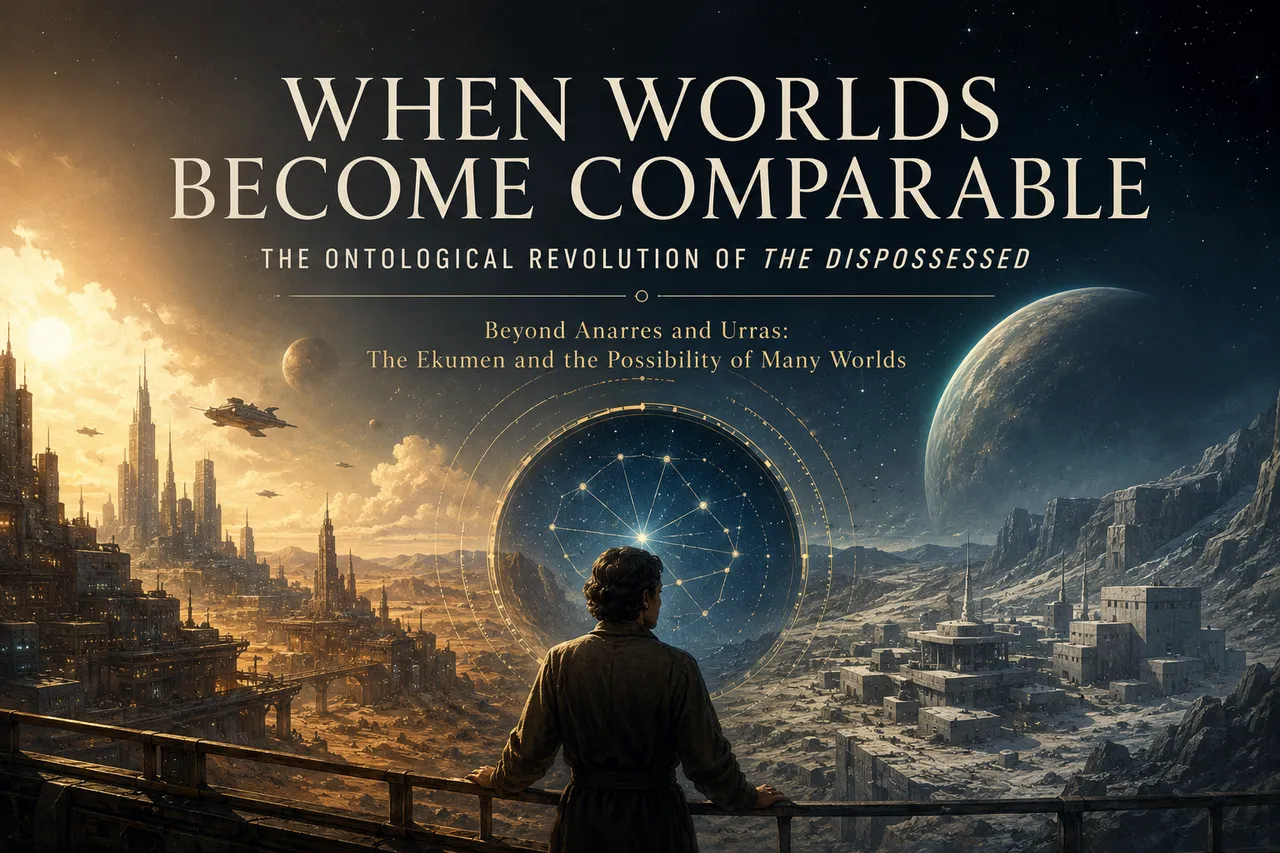
Ursula K. Le Guin::1974
A close reading of The Dispossessed as an ontological novel, where Anarres, Urras, and the Ekumen redefine anarchism, property, and reality.
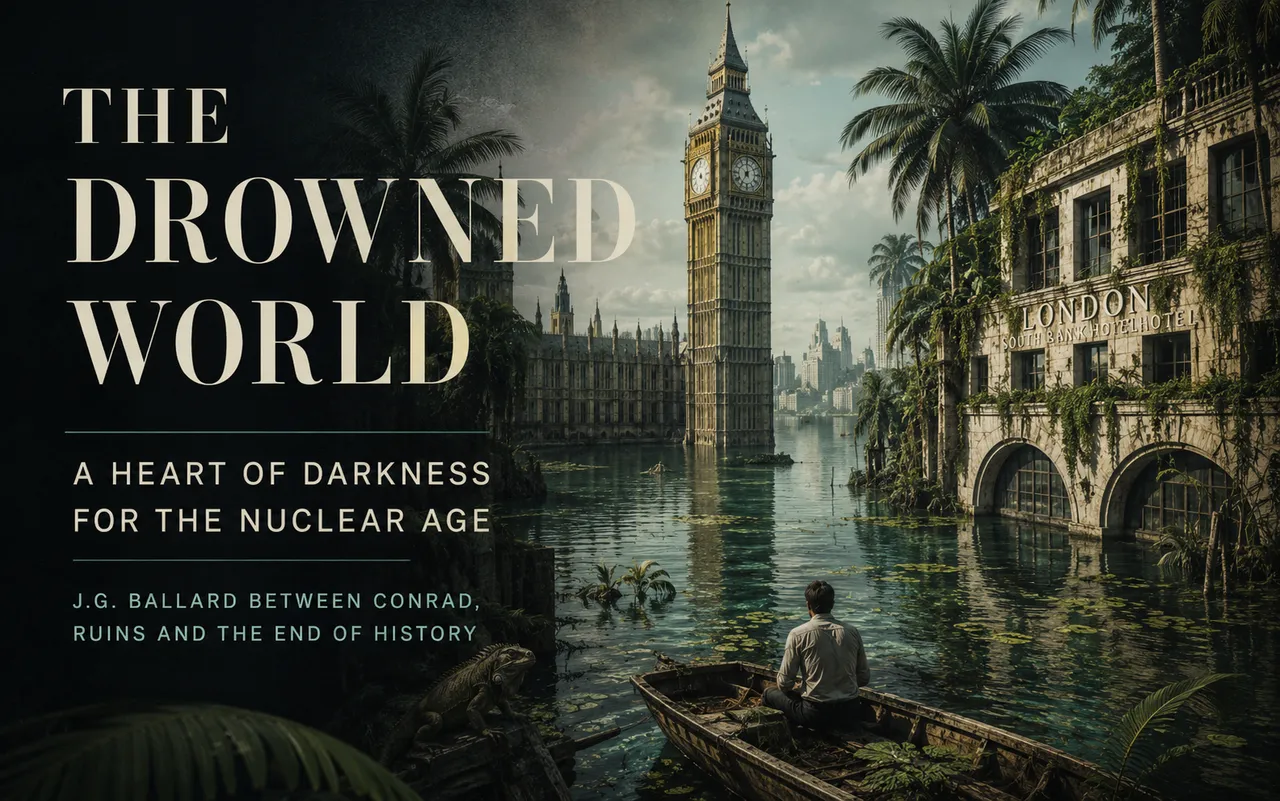
J.G. Ballard::1962
Ballard's submerged London dissolves the symbolic structures through which humans produce meaning. A reading of contact, contamination, and the collapse of classification.
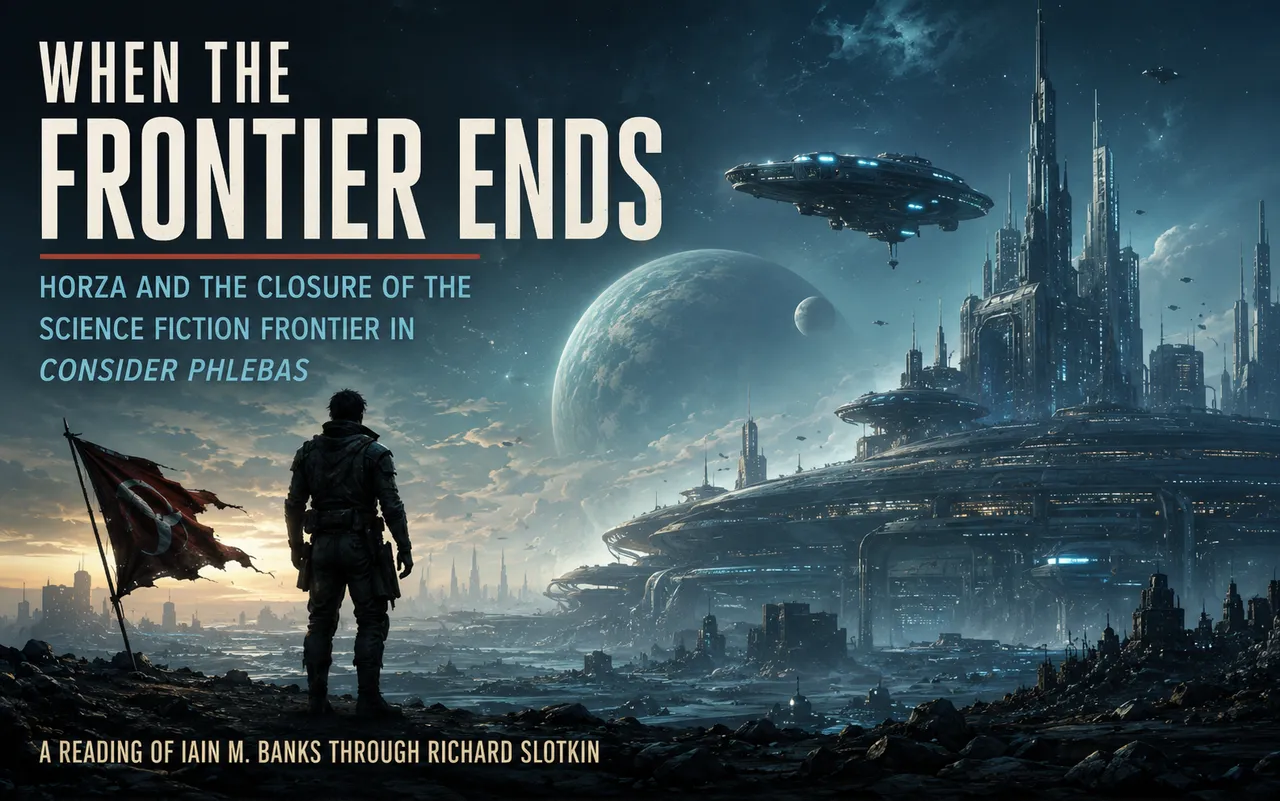
Iain M. Banks::1987
A literary analysis of *Consider Phlebas* revealing how Iain M. Banks uses the frontier myth to stage Horza's obsolescence—examining the tragedy of a Golden Age hero rendered unnecessary by the Culture's declaration that the science fiction frontier has permanently closed.
page 1 / 4