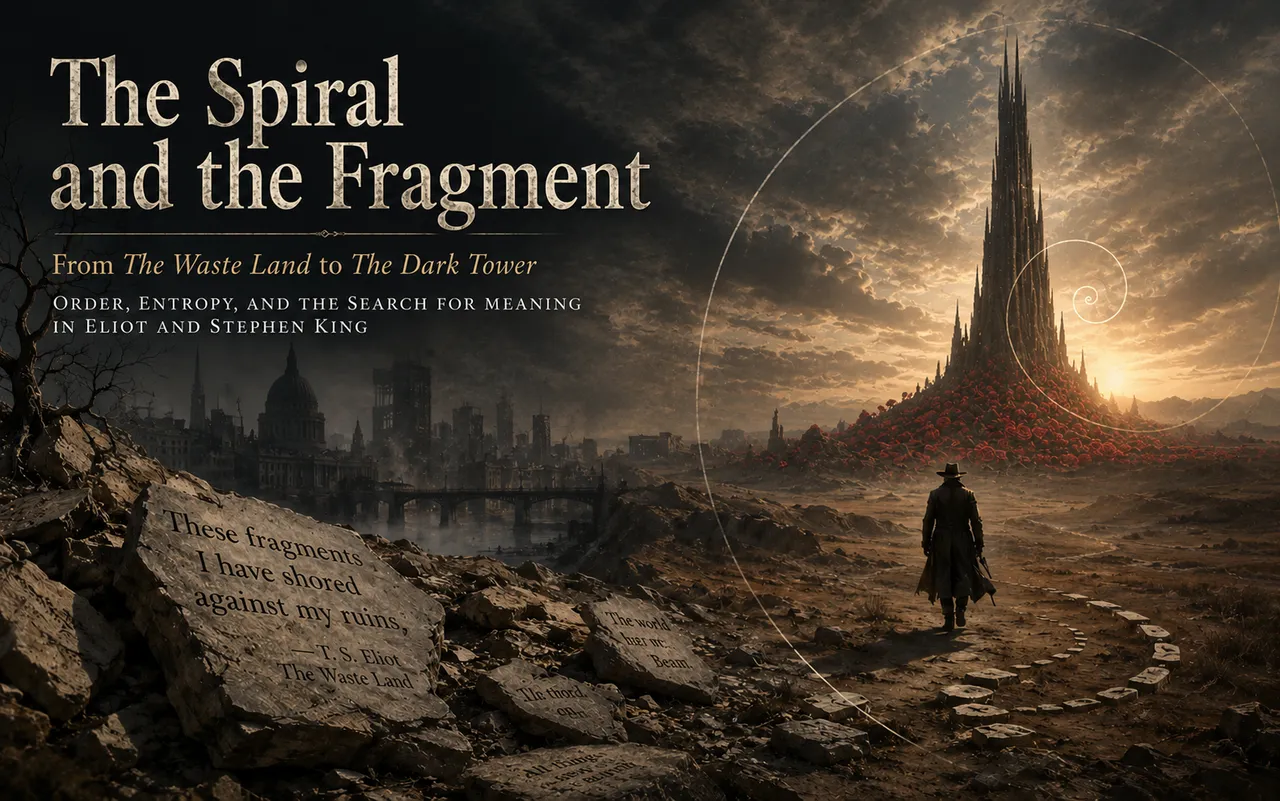
The Dark Tower
Stephen King::1982
A literary analysis of Stephen King's *The Dark Tower* through T. S. Eliot's *The Waste Land*, focused on entropy, fragmentation, and the search for order.
[fantasy][horror]
> read The Dark Tower by Stephen King
//ZONE
A collection of passages into fantasy literature
Fantasy opens doors to worlds governed by their own logic and magic. These are journeys into transformation, power, and the hidden rules that shape reality. We explore mythic landscapes where imagination becomes law.
//FRAMEWORK
This fantasy hub reads invented worlds as political and symbolic architectures. The reviews examine how myth, magic, and secondary-world design encode assumptions about authority, desire, kinship, and historical change. Rather than ranking worlds by scale or spectacle, the archive investigates the rules that hold them together and the fractures that undo those rules. Particular attention is given to transformation narratives, contested legitimacy, and the relationship between wonder and violence. The goal is to show fantasy as a critical form capable of reorganizing how reality itself is perceived and narrated.
//RSS FEED
>subscribe to Fantasy feedStephen King::1982
A literary analysis of Stephen King's *The Dark Tower* through T. S. Eliot's *The Waste Land*, focused on entropy, fragmentation, and the search for order.
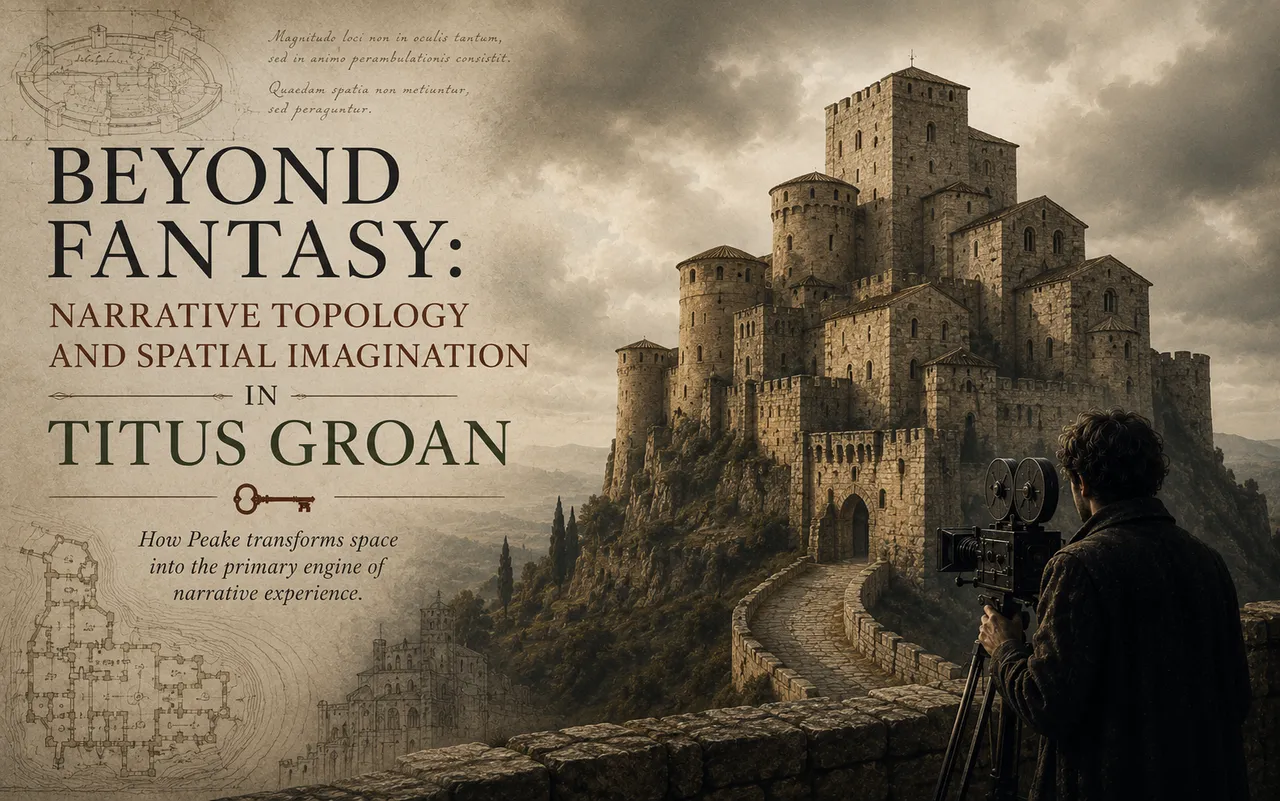
Mervyn Peake::1946
How Peake uses narrative topology to make space—not time—the engine of storytelling. A critical analysis of spatial imagination and architectural meaning.
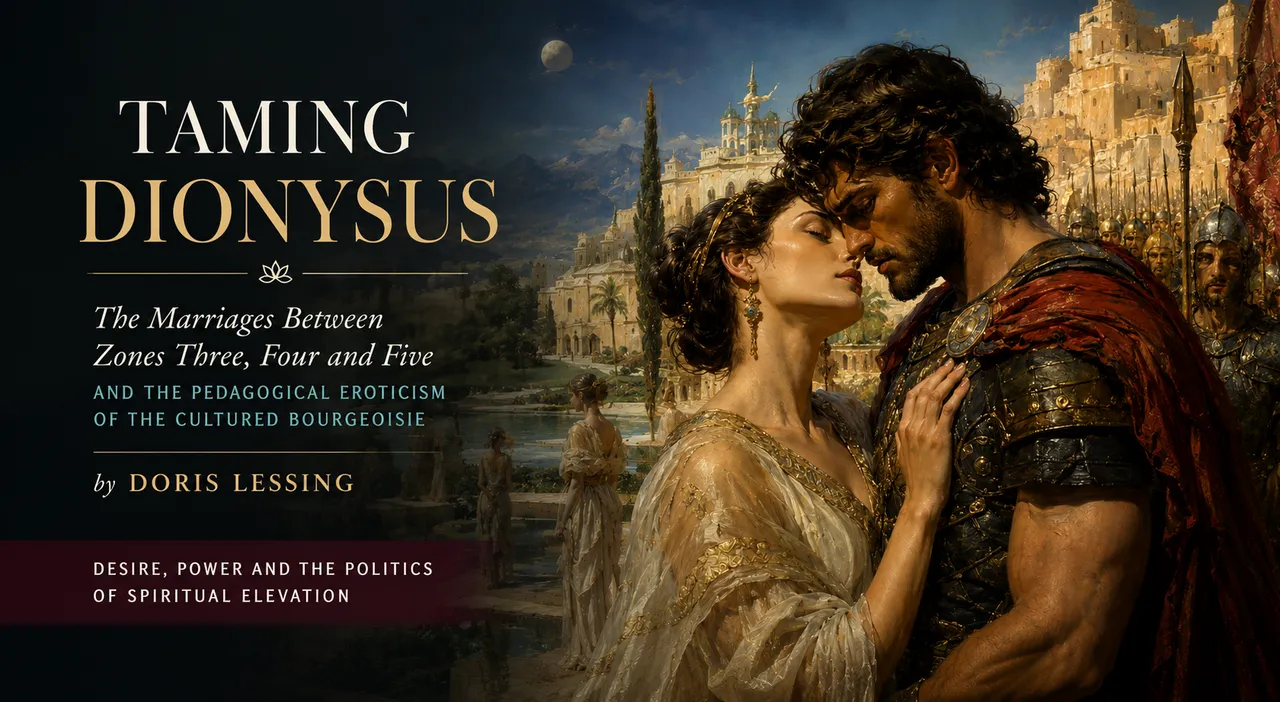
Doris Lessing::1987
Lessing's eroticism remains fundamentally bourgeois: desire transforms into pedagogy, never producing the degradation or loss of refined consciousness.
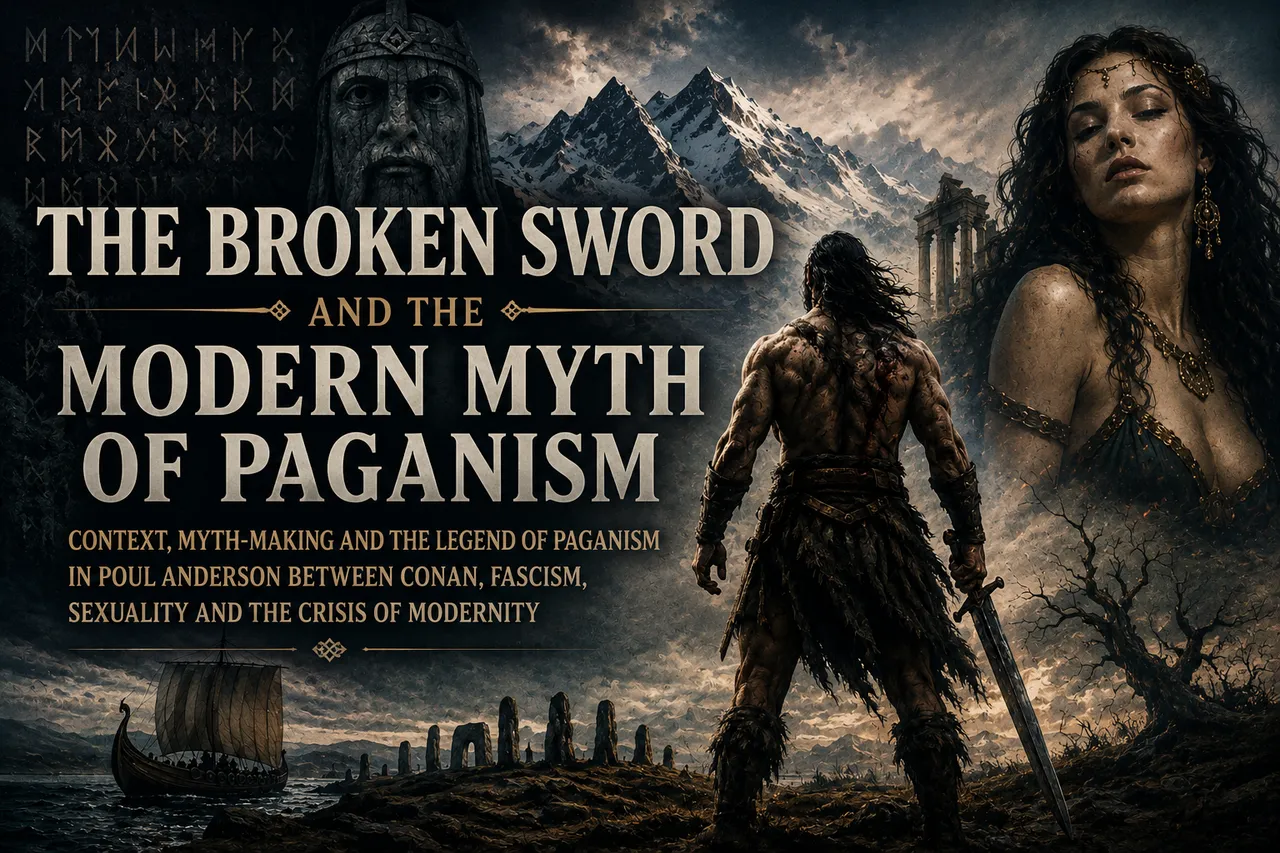
Poul Anderson::1954
Anderson's paganism is modern myth, not history. A 1950s fantasy of the North reflecting postwar anxieties about spiritual exhaustion and lost heroism.
page 1 / 2